
Choosing the right architectural choice for your balai is a complex process that calls for careful consideration of many architectural options in the dynamic world of modern architecture. Architects set out to create spaces that not only fulfill the needs of the community but also connect with its cultural identity and aspirations, balancing functionality, aesthetics, cultural relevance, and sustainability.
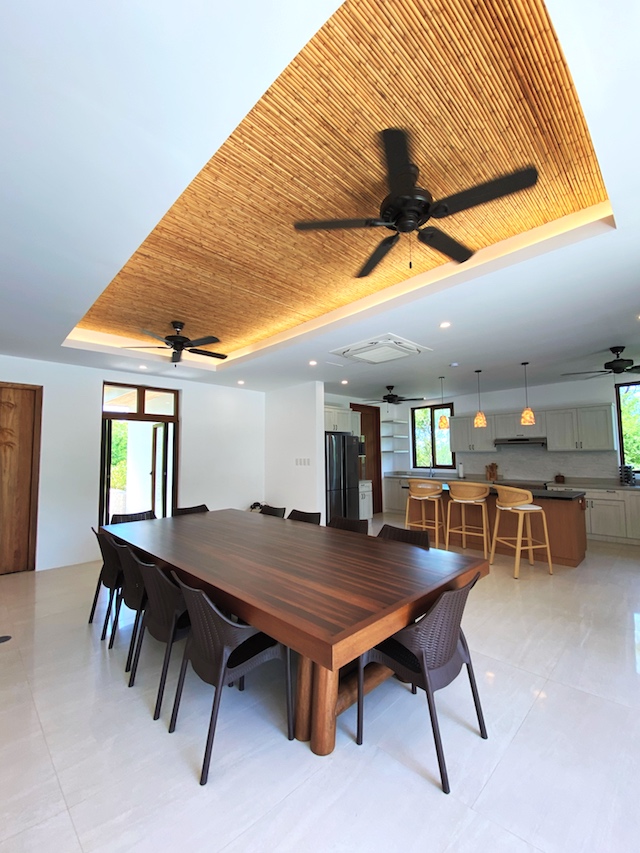
Initially, architects conduct a thorough examination of the location and its environment. To inform design choices, thus entails researching the region’s environment, geography, and cultural legacy. Architects can maximize the potential of a space while creating solutions that harmonize with the natural environment if they are aware of the particular features of the place.
Modern balai spaces must be designed with functionality as their top priority. Architects work closely with stakeholders to determine the various needs of the community, which can include anything from social events and cultural gatherings to civic engagement meetings and educational workshops. Using an progressive design process, architects create designs that maximize lighting, acoustics, accessibility, and spatial flow to make the bali a versatile and accommodating area for a range of uses.
The architectural identity of modern balai spaces is greatly influenced by cultural significance. In order to produce designs that are in line with the community’s cultural history, architects take inspiration from regional customs, building materials, and architectural styles. Whether employing indigenous materials, vernacular building methods, or symbols, architects aim to give the balai a feeling of place and identity that mirrors the goals and values of the people it serves.
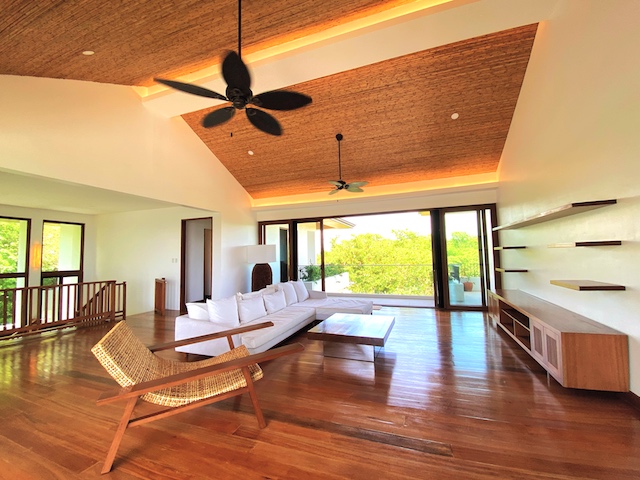
The modern balai design is based on the notion of sustainability. Passive design techniques, energy-efficient systems, and the use of sustainable materials are among the environmentally conscious methods that architects give top priority. Making sure that the balai not only meets teh demands of the present but also strengthens the community’s long-term resilience and vitality by limiting resource usage and lowering carbon footprint.
Finding the perfect match for your modern balai requires a multifaceted strategy that takes sustainability, cultural significance, and usability into account. Through the use of these analytical frameworks, Balai Bayi are able to design environments that serve the community’s needs while simultaneously enhancing and fostering a more sustainable future.